Blackall: Wool, Steam and Unbroken Records
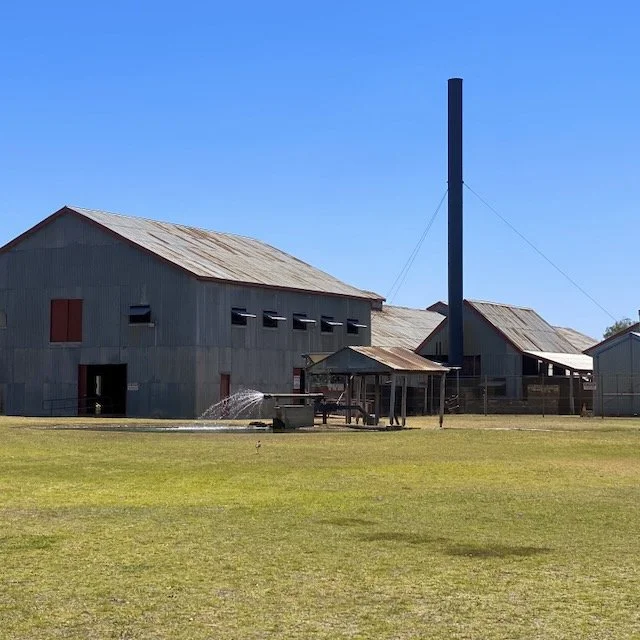
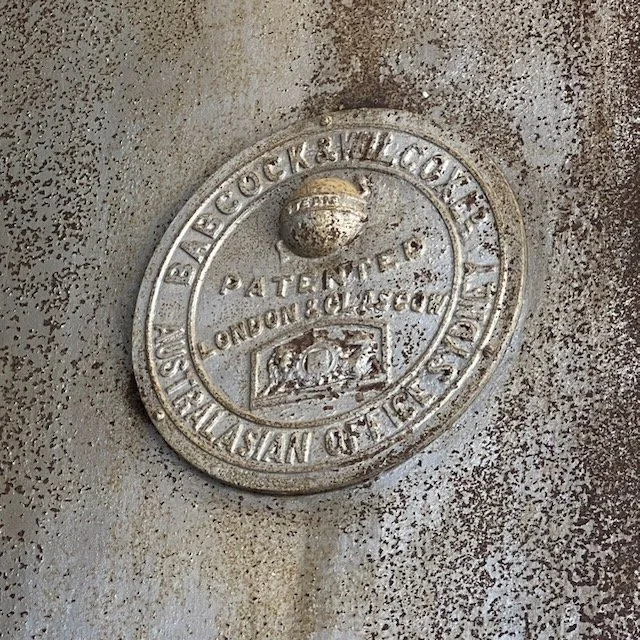
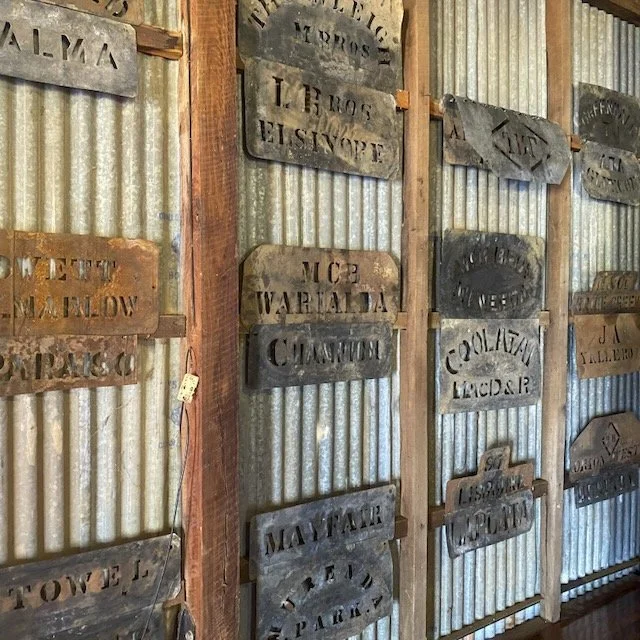
The Blackall Woolscour is the only known surviving example of an early 20th-century mechanised woolscour in Australia, and that alone is reason enough to visit. It was opened in 1908, once the artesian bore had been sunk at the site, and it was the last wool scour in Western Queensland to cease operations, finally closing in 1978. In 2002, the local community restored the complex as a cultural tourism facility.
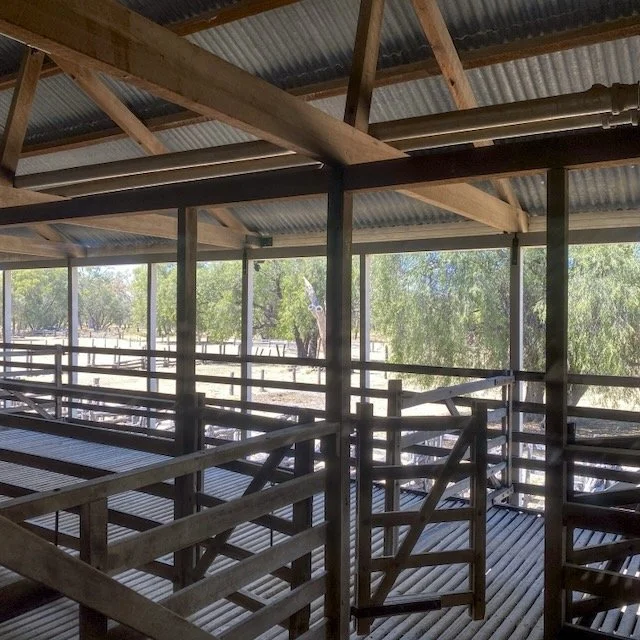
The site sits about four kilometres north-east of town on Evora Road, and from the outside it looks like a collection of large corrugated iron sheds sitting quietly beside the old railway line. Which is exactly what it is, it’s what’s inside that is spectacular.
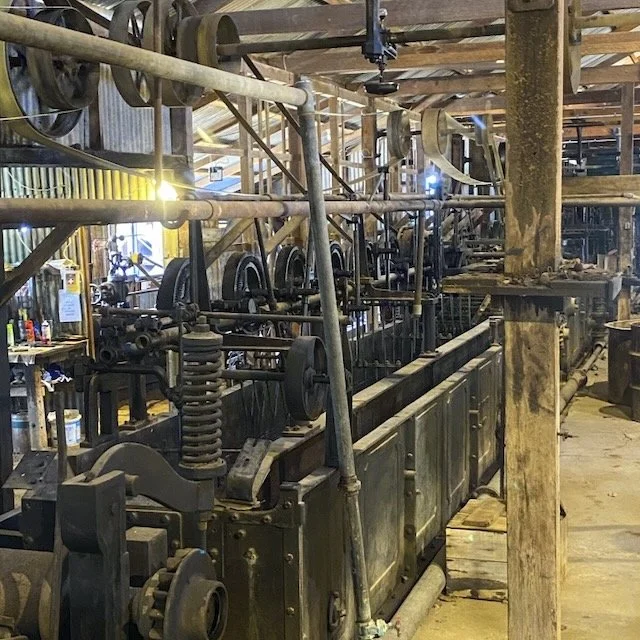
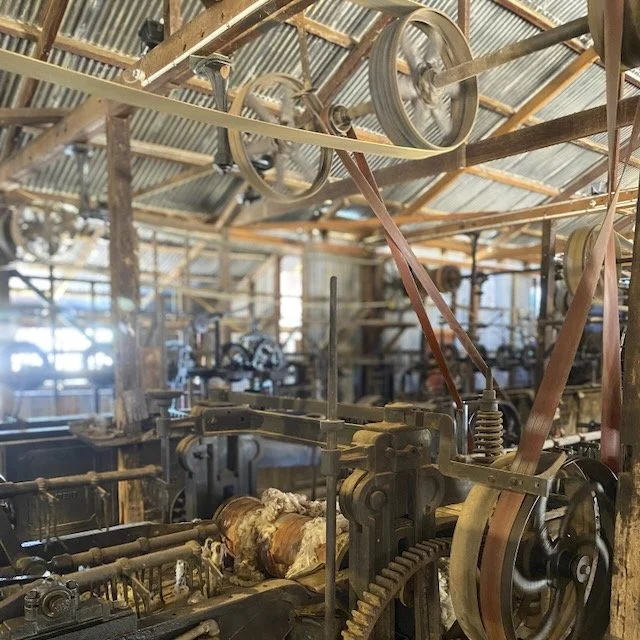
The tour is run by volunteers, and ours knew the place with the kind of affection that only comes from genuine investment in a story. They walked us through the whole process, from the depot shearing shed where the wool arrived, through the scouring tanks, and on to the drying system at the end of the line.
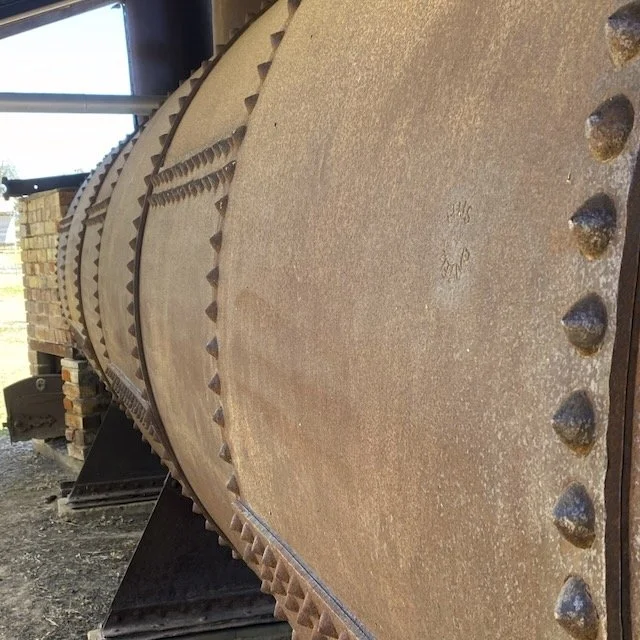
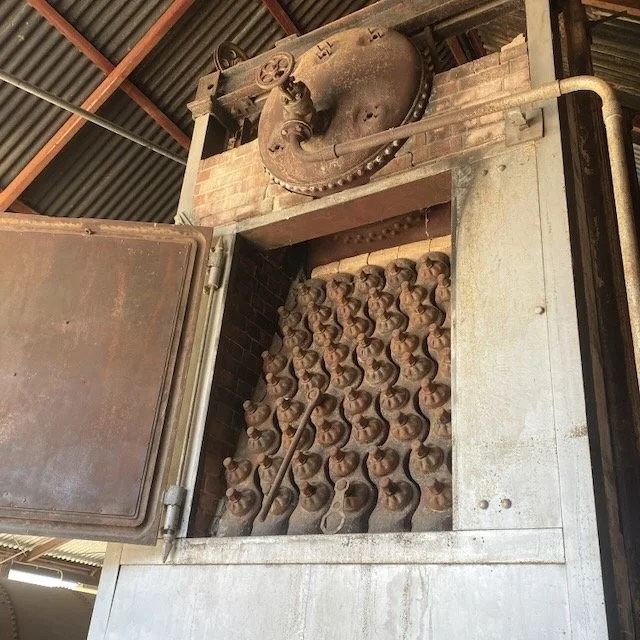
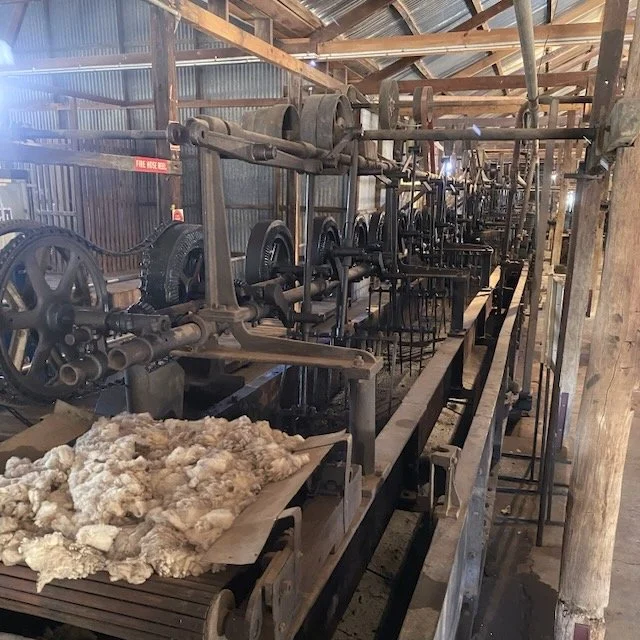
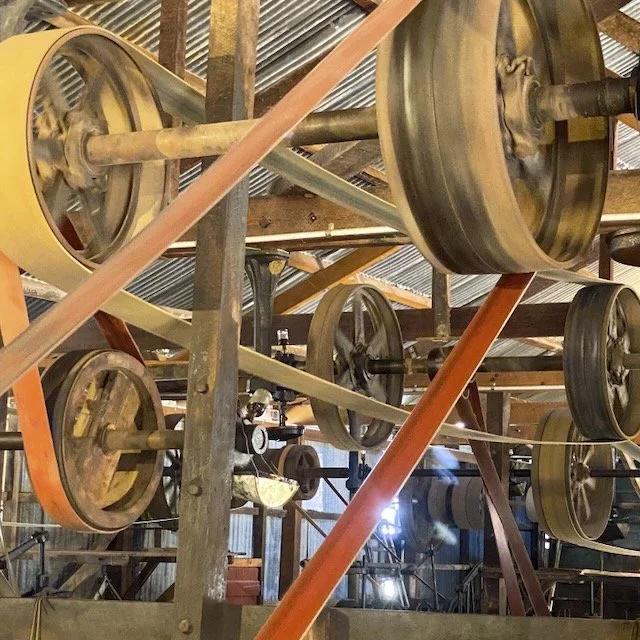
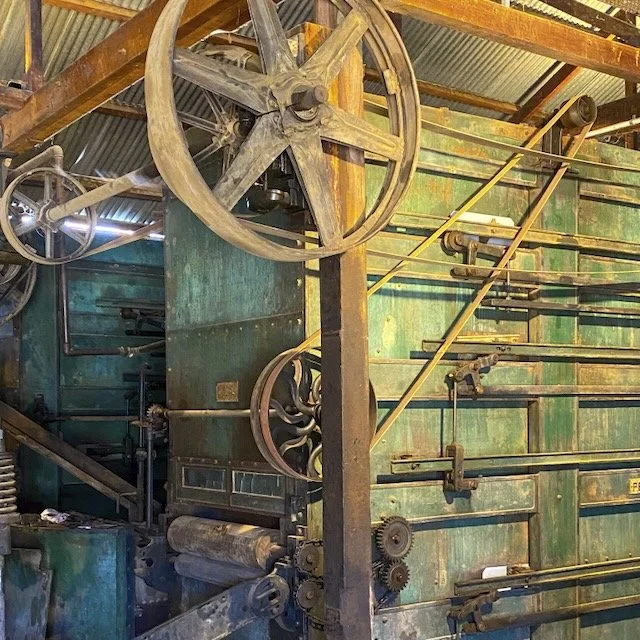
The machinery is the thing. The slow rotation of the old sprockets and loose chains drive the strange finger-like claws that slowly pull the wool through the cleaning tanks. The specially engineered drying process, using steam heat without moisture, was used in a multi-level drying machine at the end of the scouring line. All of it was powered by steam. All of it is still operational, albeit powered by electric motors for tours.
There’s something about standing next to the working scour that gets to you in a way that a display cabinet in a museum never will. The sound, the smell of oil and old metal. The engineers who designed this system in the early 1900s solved problems with ingenuity and patience that modern manufacturing would otherwise delegate to a computer. The result is a piece of industrial engineering that has run continuously for 70 years and still moves today.
Three things made western Queensland ideal for woolscours: the spread of the railway network into the region, the ample supply of artesian water, and the quality of the wool itself, which was relatively easy to scour because it contained mainly dust and only minimal seed and burr. Blackall had all three, and the Woolscour was the result.
Tours run three times daily at 9.30 am, 11.30 am and 1.30 pm, seven days a week from late March to the end of October. Book ahead if you can, and allow more time than you think you’ll need.
From the Woolscour, we headed back into town and found ‘Jackie Howe’ on Shamrock Street. The statue stands outside the old Universal Hotel and commemorates one of the most remarkable physical achievements in Australian shearing history. On 10 October 1892 at Alice Downs Station outside Blackall, Jackie Howe shore 321 sheep in seven hours and forty minutes using blade shears. It’s a record that still stands today.
Shearing is considered one of the most physically demanding jobs on the human body. One study found that a shearer working in 47-degree heat lost nine litres of sweat in two hours. Howe did it for nearly eight hours straight, with hand shears, and nobody has matched him since. He also set a record of 237 sheep shorn with electric shears, a record that stood for 58 years.
Blackall also played an important part in the history of the Australian Labor Party, and the Australian Labor Federation Memorial in Short Street commemorates the formation of the first shearers’ union in December 1886. The shearers who built that movement were the same men who worked properties like Alice Downs, and the connection between the Woolscour, Jackie Howe, and the labour movement tells a coherent story about this part of Queensland that’s worth exploring.
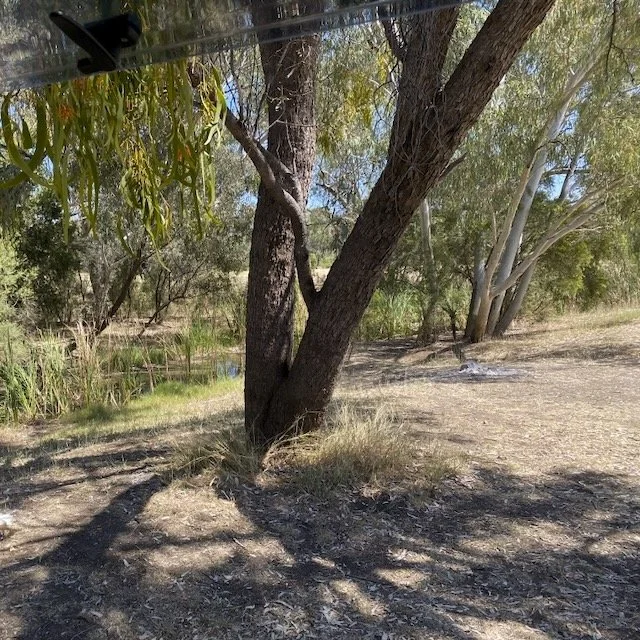
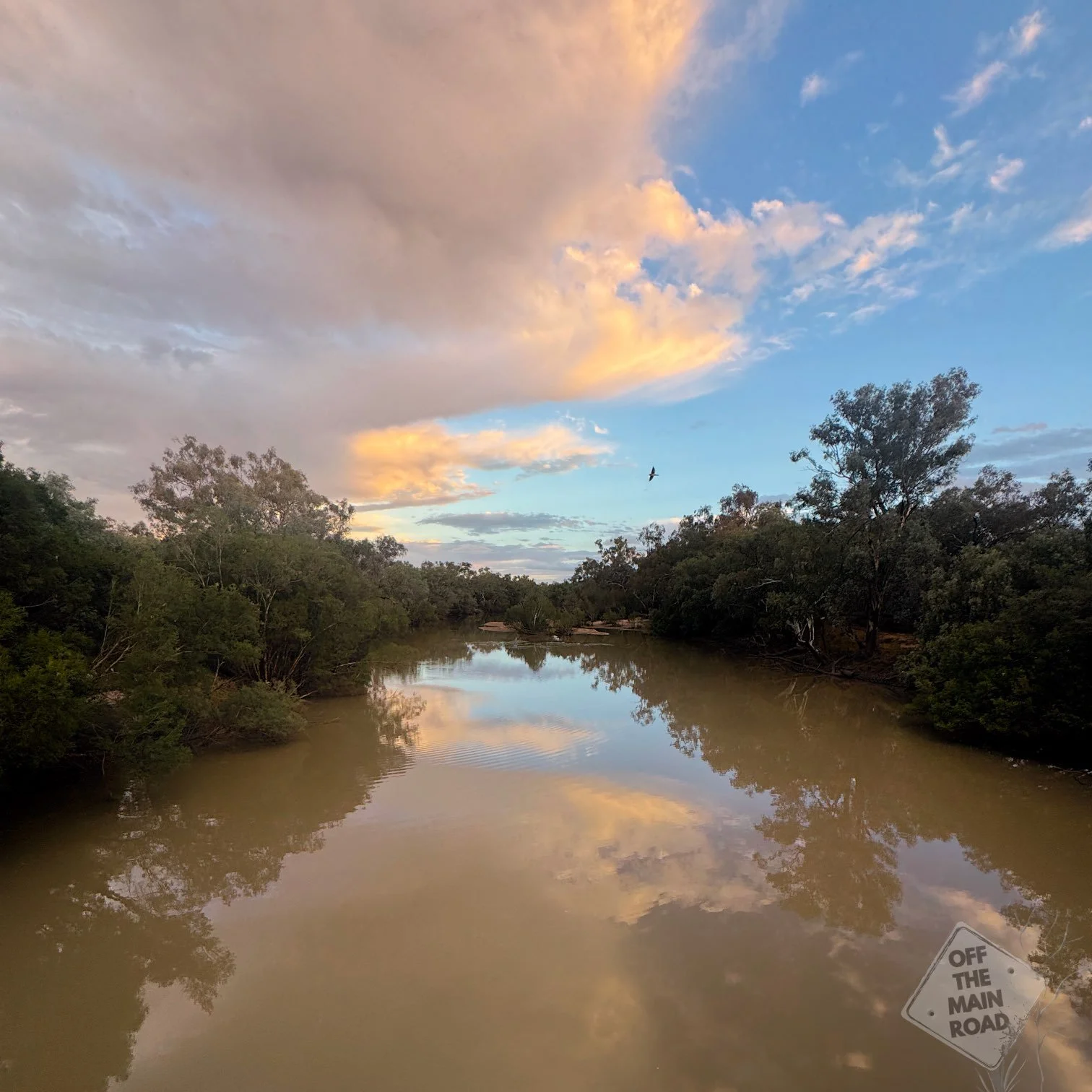
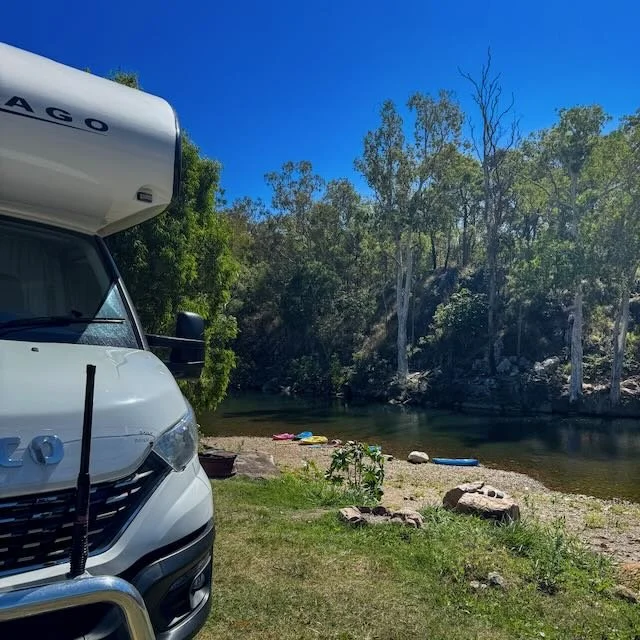
The river camp on the Barcoo is a good base for all of it. Shaded, peaceful, right on the water. The Barcoo runs quietly here, and the mornings are still enough that you hear the birds before anything else. We didn’t rush.
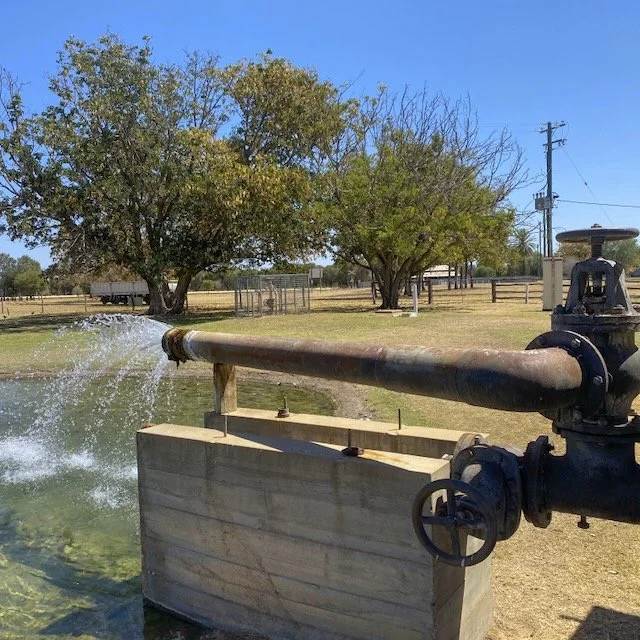
In 1885, Blackall became the first outback town in Queensland to drill an artesian bore, tapping into the underground waters of the Great Artesian Basin. Those same waters that made the Woolscour possible still flow into the Blackall Aquatic Centre today, where the thermal pool is open to visitors year-round.
If outback Queensland history done well is your kind of travel, the Travel Dispatch has more of it. Sign up HERE.
Blackall, Queensland
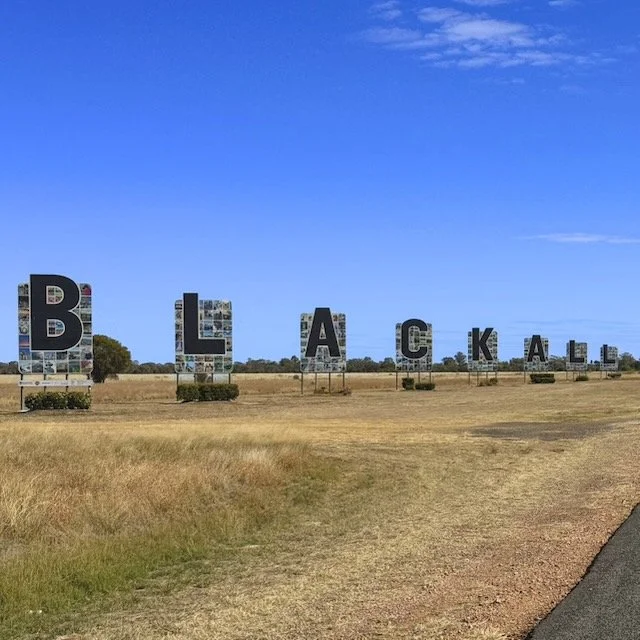
Blackall sits on the Landsborough Highway in central-west Queensland, on the banks of the Barcoo River, approximately 1,000 kilometres west of Brisbane. The township dates back to 1864 and grew into a thriving sheep town before becoming the hub of a vast cattle-grazing region. In 1885, it became the first outback town in Queensland to drill an artesian bore into the Great Artesian Basin.
How to Get There
Blackall is approximately 1,000 kilometres west of Brisbane via the Warrego and Landsborough Highways, passing through Roma and Charleville. The road is sealed throughout and suitable for caravans and motorhomes. From Charleville, it's about 300 kilometres north-west on the Landsborough Highway.
What to See / Tours / Activities
What we did:
Stayed at the Barcoo River free camp in town.
Took a guided tour of the Blackall Historical Woolscour.
Visited the Jackie Howe statue and museum on Shamrock Street.
Walked the heritage trail through town.
Other highlights nearby:
Blackall Aquatic Centre, fed by artesian bore water from the Great Artesian Basin.
Australian Labor Federation Memorial, Short Street, marking the formation of the first shearers’ union in 1886.
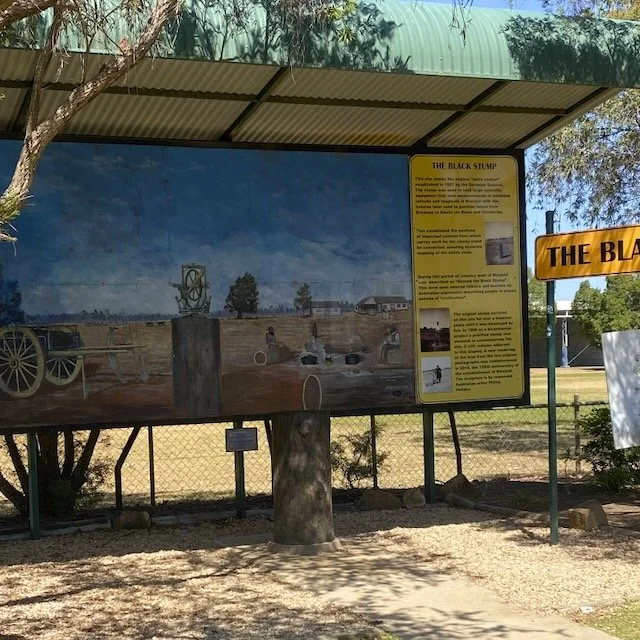
The petrified tree stump on Shamrock Street, found on a property near Blackall and estimated to be between one million and 225 million years old. Experiencewinton
Tambo, about 110 kilometres south, with its famous teddy bears and artesian spa.
Barcaldine, about 110 kilometres north-east, home of the Tree of Knowledge.
When to Visit
The Woolscour operates from late March to the end of October. Outside those months, the site is closed to tours. The Barcoo River camp is accessible year-round, though the river can flood after significant rainfall. Autumn through spring offers the most comfortable temperatures.
Final Thoughts
The Woolscour engineering is beautiful, the history is real, and the volunteers who run it clearly love what they’re looking after. Standing next to 115-year-old machinery that still works, in the middle of outback Queensland, that's a long way from ordinary.
What's Nearby
Blackall sits naturally between Charleville to the south-west and Longreach to the north. Barcaldine and its Tree of Knowledge are about 110 kilometres north-east and are worth a stop on the way through.
Fast Facts
Location: Blackall, Queensland
Distance: 1,000km west of Brisbane; 300km north-west of Charleville
Traditional Owners: Bidjara and Iningai People
Access: Sealed roads throughout; Landsborough Highway
Facilities: Free camp on Barcoo River; full town facilities; artesian aquatic centre
Walking Track: Heritage trail through town; river walk along the Barcoo
Best Time to Visit: April to October (Woolscour tours March to October only)
Dog Friendly: Yes (including Woolscour tour)
Things That Could Kill You (Probably Won’t)
A semi-serious guide to surviving Australia. Mostly common sense, occasionally luck.
The summer heat: Blackall sits in central-west Queensland. Summer is not a suggestion.
The Woolscour tour: Allow more time than you think. You will not want to leave.
Jackie Howe’s record: 321 sheep in seven hours forty minutes by hand. Do not attempt to replicate this.
If this post helped, you can support our work here.

Other updates you may like…
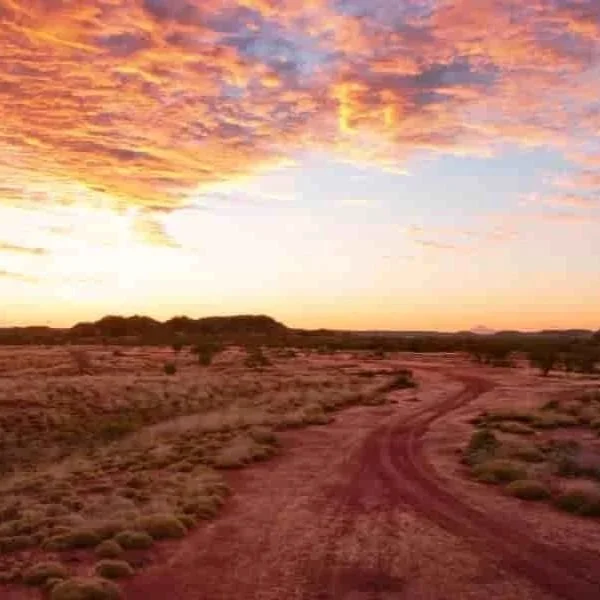


Every expedition needs a curse, and ours began the moment we left Mount Isa chasing the Lost Cities. Plagues of bugs, biblical rain, a brutal road, and a mysterious rash.